Packing, Safety, and Budgeting
Traveling in Kenya is a journey filled with vibrant cultures, stunning landscapes, and unforgettable wildlife experiences. However, to make the most of your adventure, it’s essential to be well-prepared. As the saying goes, “A journey of a thousand miles begins with a single step.” This guide will provide you with essential travel tips, packing lists, safety advice, and budget travel tips to ensure your trip to Kenya is smooth and enjoyable.
1. Travel Tips: Preparing for Your Adventure
Research Your Destinations
Before embarking on your journey, research the places you plan to visit. Each region in Kenya has its unique attractions, culture, and climate. For instance, the coastal region is hot and humid, while the highlands can be cooler. When I first traveled to Maasai Mara, I was unprepared for the chilly nights, assuming it would be warm. A simple Google search could have saved me from shivering under my blanket!
Pro Tip: Use travel blogs and forums to gather firsthand experiences and recommendations.
Understand Local Customs and Etiquette
Kenya is a melting pot of cultures, and understanding local customs can enrich your travel experience. For example, greetings are important in Kenyan culture. A simple “Jambo” (hello) or “Sijambo” (I’m fine) can go a long way in establishing rapport. I remember visiting a Maasai village and being warmly welcomed after greeting the elders respectfully.
Cultural Insight: The local saying, “Respect is earned, not given,” emphasizes the importance of mutual respect in interactions.
Plan Your Itinerary
Create a flexible itinerary that allows you to explore major attractions while leaving room for spontaneous adventures. When I traveled to Lake Nakuru, I initially planned to stay just one day. However, the beauty of the flamingos and the tranquility of the park made me extend my stay. Embrace the unexpected!
Keywords: Kenya travel itinerary, best places to visit in Kenya.
Local Transportation Options
Familiarize yourself with local transportation options. Whether it’s using public transport or hiring a private car, knowing your choices can save you time and money. I learned the value of matatus (shared minibuses) for getting around Nairobi; they are inexpensive and filled with local flavor.

2. Packing Lists: What to Bring
Packing for a trip to Kenya requires careful consideration of the climate and activities. Here’s a comprehensive packing list to get you started.
Clothing
- Lightweight Clothing: The weather can be warm, especially in coastal regions. Pack breathable fabrics like cotton.
- Layers: Nights can be chilly, especially in national parks. Bring a light jacket or sweater.
- Comfortable Footwear: Hiking shoes are a must for safaris and walks. A good pair of sandals is great for the beach.
- Modest Attire: When visiting rural areas or religious sites, dress modestly. Long skirts or trousers and tops with sleeves are advisable.
Essential Gear
- Binoculars: Perfect for wildlife viewing, especially during safaris.
- Camera: Capture the breathtaking landscapes and moments. Don’t forget extra batteries and memory cards!
- Reusable Water Bottle: Staying hydrated is crucial, and a reusable bottle helps reduce plastic waste.
- Power Adapter: Kenya uses Type G plugs, so bring an adapter for your electronics.

Toiletries and Health Essentials
- Sunscreen and Insect Repellent: Protect your skin from the sun and insects, especially in wildlife areas.
- First Aid Kit: Include basic medication for headaches, allergies, and stomach issues.
- Personal Medications: Carry any prescription medications and ensure you have enough for your trip.
Documents and Money
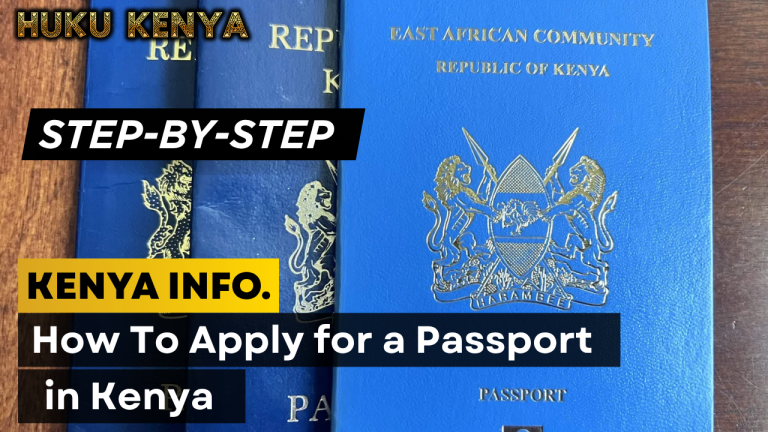
- Passport and Copies: Keep your passport safe and carry photocopies in case of loss.
- Travel Insurance: Essential for covering potential medical emergencies or trip cancellations.
- Local Currency (Kenyan Shilling): While credit cards are accepted in many places, having cash on hand is useful for markets and rural areas.
Making Packing Easier
To make packing easier, create a checklist based on the activities you plan to do. For example, if you’re going on a safari, ensure you have neutral-colored clothing that blends with the environment. I once overpacked for a trip, only to find that I wore the same few outfits repeatedly!
3. Travel Safety: Staying Secure
While Kenya is generally safe for tourists, it’s essential to take precautions to ensure a secure experience.
Stay Informed
Before your trip, stay updated on local news and travel advisories. Websites like the U.S. State Department or local travel blogs provide valuable insights. I remember being advised by locals to avoid certain areas in Nairobi after dark, which proved to be a wise decision.
Avoid Flashy Displays of Wealth
Keep your valuables discreet. Wearing expensive jewelry or brandishing high-end electronics can attract unwanted attention. I once witnessed a traveler lose their phone because they were too engrossed in taking selfies in a crowded market.
Proverb: “The fool looks at the finger that points to the moon.” Stay aware of your surroundings and prioritize your safety.
Secure Your Belongings
When in public places or crowded markets, always keep an eye on your belongings. Use a money belt or a secure crossbody bag. I prefer using a backpack with zippers that I can easily access while keeping it close to me.
Travel Insurance
Invest in comprehensive travel insurance that covers medical emergencies, theft, and trip cancellations. This extra layer of security can provide peace of mind during your travels.
Emergency Contacts
Keep a list of emergency contacts handy, including local hospitals, your country’s embassy, and local authorities. Familiarize yourself with the emergency numbers in Kenya: 999 is the police emergency number.
4. Budget Travel Tips: Exploring Kenya on a Dime
Traveling in Kenya doesn’t have to break the bank. Here are some budget-friendly tips to make the most of your trip.

Use Public Transportation
Public transport, such as matatus (shared minibuses), is a cost-effective way to travel between cities and towns. While they may be crowded, they offer a unique glimpse into local life. My first ride on a matatu was a whirlwind experience filled with music and friendly locals, making it one of my favorite memories of the trip.
Keywords: budget travel in Kenya, affordable transport options in Kenya.
Eat Like a Local
Street food is not only delicious but also affordable. Try local favorites like samosas, ugali, and nyama choma (grilled meat). I remember enjoying a plate of nyama choma at a roadside stall in Nairobi, surrounded by locals. It was an authentic experience that was both tasty and inexpensive.
Pro Tip: Look for busy stalls; they often serve the freshest food!
Negotiate Prices
In markets and when hiring services, bargaining is common in Kenya. Don’t be afraid to negotiate, but do so respectfully. I learned to start my negotiations at half the asking price and gradually meet in the middle. This practice not only saves money but also adds to the fun of shopping!
Free and Low-Cost Activities
Many national parks and reserves offer affordable entry fees. Additionally, explore free attractions like local markets, cultural festivals, and public beaches. During my visit to the coast, I found a hidden beach where I spent the day swimming and sunbathing without spending a shilling.
Choose Budget Accommodations
Consider staying in hostels, guesthouses, or budget hotels instead of high-end resorts. Websites like Airbnb and Booking.com often have great deals. I found a cozy guesthouse in Mombasa that offered a warm atmosphere and friendly hosts at a fraction of the cost of larger hotels.
Plan Your Activities Wisely
Look for group tours or discounts for activities. Many safari companies offer packages that include multiple parks, which can save you money. When I joined a group for a safari in Maasai Mara, the cost was significantly lower than booking a private tour.
Take Advantage of Local Events
Check local calendars for festivals and events happening during your visit. Many of these celebrations are free to attend and offer a unique insight into Kenyan culture. I attended a music festival in Nairobi that was vibrant and full of energy, and it cost me nothing!

Conclusion: Embrace the Adventure
Traveling in Kenya is an enriching experience filled with breathtaking landscapes, diverse cultures, and unforgettable wildlife encounters. By following these travel tips, packing wisely, prioritizing safety, and embracing budget-friendly options, you can make the most of your journey.
As the Kenyan proverb goes, “He who travels far knows much.” So, gather your gear, immerse yourself in the culture, and set off on your Kenyan adventure!
Call to Action
Are you ready to explore the beauty of Kenya? Share your travel experiences and tips with fellow travelers, and join the conversation on social media using #ExploreKenya!