A Detailed Guide to Celebrations
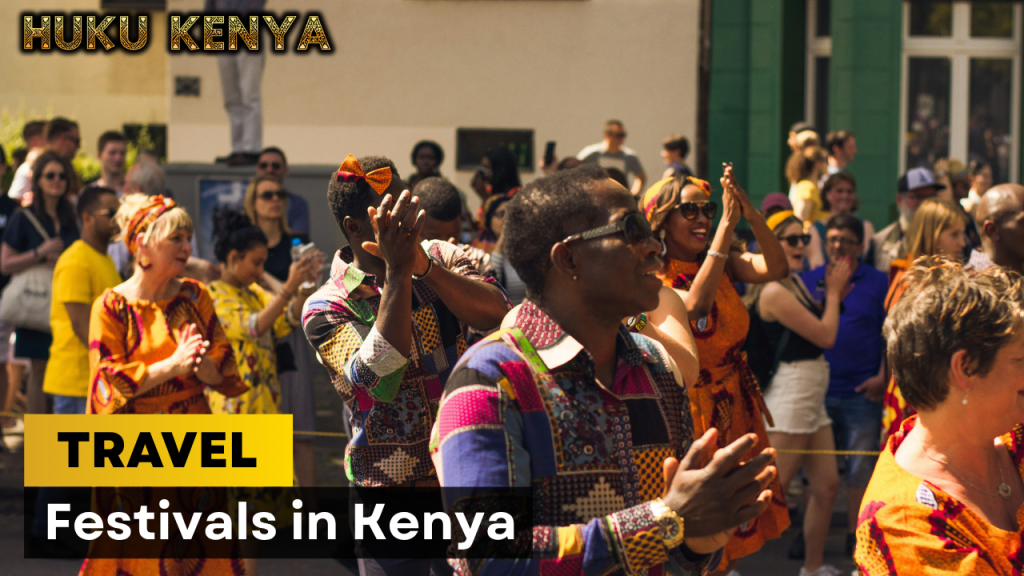
Kenya’s diverse cultural landscape is home to a multitude of festivals that reflect the traditions, beliefs, and histories of its various ethnic communities. Each festival offers a unique glimpse into Kenyan life, filled with music, dance, food, and vibrant displays of culture. Here’s a detailed list of some of the most significant festivals celebrated across the country:
1. Jamhuri Day (December 12)
Overview:
Jamhuri Day is a national holiday that celebrates Kenya’s independence from British colonial rule. It marks the date in 1963 when Kenya became a republic.
Activities:
- Parades: Grand ceremonies held in major cities, especially Nairobi, featuring military parades and cultural performances.
- Cultural Performances: Traditional dances and music are showcased, highlighting the country’s diverse cultures.
- Fireworks: Evening celebrations often conclude with spectacular firework displays.
Cultural Insight:
This day is a time for national reflection and pride, with citizens honoring their history and the struggle for independence.
2. Mombasa Carnival (November)
Overview:
The Mombasa Carnival is a colorful celebration of coastal Swahili culture, attracting thousands of locals and tourists alike.
Activities:
- Parades: Floats adorned with vibrant decorations and performers in traditional attire parade through the streets.
- Cultural Performances: Traditional music, dance, and theatrical performances take place throughout the event.
- Food Stalls: Local cuisine, including seafood and Swahili dishes, is available from numerous food stalls.
Cultural Insight:
This carnival showcases the rich cultural heritage of the coastal region, emphasizing unity and celebration among various ethnic communities.
3. Lamu Cultural Festival (November)
Overview:
Held in Lamu, this festival celebrates Swahili culture with a focus on traditional arts, crafts, and cuisine.
Activities:
- Dhow Racing: Traditional sailing boats race in the Indian Ocean, attracting spectators and participants.
- Art Exhibitions: Local artists showcase their work, including paintings, sculptures, and traditional crafts.
- Culinary Competitions: Participants prepare local dishes, with awards for the best recipes.
Cultural Insight:
The festival emphasizes the importance of preserving Swahili culture and promotes local artisans and chefs.
4. Maasai Mara Cultural Festival (July)
Overview:
This festival celebrates the rich traditions of the Maasai people, held annually in the Maasai Mara region.
Activities:
- Traditional Dances: The Maasai perform their iconic jumping dance, Adumu, showcasing strength and agility.
- Cultural Exhibitions: Attendees can learn about Maasai customs, crafts, and traditional attire.
- Community Feasts: Guests are often invited to share in traditional meals, fostering cultural exchange.
Cultural Insight:
The festival is an opportunity for the Maasai to celebrate their identity and share their culture with visitors.
5. Kenya Music Festival (August)
Overview:
An annual event that brings together talented musicians and performers from across the country to showcase their skills.
Activities:
- Performances: School choirs, bands, and individual artists perform a variety of musical genres, including traditional and contemporary music.
- Competitions: Participants compete in various categories, with awards for outstanding performances.
- Workshops: Music workshops are held, providing learning opportunities for aspiring musicians.
Cultural Insight:
This festival promotes the importance of music in Kenyan culture, serving as a platform for upcoming artists.
6. Kisumu Carnival (October)
Overview:
Celebrated in Kisumu, this carnival highlights the culture of the Luo community and the beauty of Lake Victoria.
Activities:
- Boat Races: Traditional canoes race on Lake Victoria, a thrilling spectacle for spectators.
- Local Cuisine: Food stalls offer a variety of Luo dishes, including fish and ugali.
- Cultural Performances: Traditional dances and music performances showcase Luo heritage.
Cultural Insight:
The Kisumu Carnival fosters community pride while promoting tourism in the region.
7. Rusinga Cultural Festival (January)
Overview:
Held on Rusinga Island, this festival celebrates the culture of the Abasuba community.
Activities:
- Traditional Dances: Performances by local dance troupes highlight traditional music and movements.
- Cultural Exhibitions: Local artisans display crafts, including beadwork and pottery.
- Food and Drink: Visitors can sample local delicacies, including fish from Lake Victoria.
Cultural Insight:
The festival serves as a platform for the Abasuba community to share their heritage and promote tourism on Rusinga Island.
8. Nairobi International Trade Fair (October)
Overview:
While primarily a trade fair, this event also celebrates Kenyan culture through exhibitions and performances.
Activities:
- Exhibitions: Local businesses showcase their products, from agricultural goods to handicrafts.
- Cultural Performances: Traditional dances and music performances entertain attendees.
- Networking Opportunities: Business forums and discussions foster connections among entrepreneurs.
Cultural Insight:
The fair highlights Kenya’s economic growth while celebrating its cultural diversity.
9. Eldoret Marathon (October)
Overview:
This international marathon celebrates Kenya’s running culture, attracting athletes from around the world.
Activities:
- Marathon Race: Participants compete in various categories, including full and half marathons.
- Cultural Events: Pre-race festivities include traditional dances and music, celebrating local talent.
- Community Involvement: The event encourages local communities to participate and support the runners.
Cultural Insight:
The Eldoret Marathon showcases Kenya’s status as a powerhouse in long-distance running while promoting health and fitness.
10. International Maasai Market Festival (Various Dates)
Overview:
This festival celebrates the Maasai culture through art, crafts, and traditional products.
Activities:
- Artisan Booths: Local artisans display and sell handmade crafts, jewelry, and textiles.
- Cultural Performances: Traditional music and dance performances take place throughout the festival.
- Workshops: Participants can engage in workshops to learn traditional crafts from Maasai artisans.
Cultural Insight:
The festival not only promotes Maasai culture but also supports local artisans and their livelihoods.
11. New Year’s Eve Celebrations (December 31)
Overview:
New Year’s Eve is celebrated across Kenya with vibrant festivities, marking the transition into the new year.
Activities:
- Parties and Concerts: Major cities like Nairobi and Mombasa host public events featuring live music, DJs, and entertainment.
- Fireworks Displays: Spectacular fireworks light up the night sky, particularly in urban areas.
- Cultural Events: Many communities incorporate traditional music and dance into their celebrations.
Cultural Insight:
New Year’s Eve is a time for family gatherings and community celebrations, reflecting hopes and aspirations for the coming year. The atmosphere is filled with excitement, with many people sharing resolutions and wishes for prosperity.
Conclusion
Kenya’s festivals are a vibrant reflection of its rich cultural heritage, offering travelers a unique opportunity to engage with local traditions, food, and music. From national celebrations to community events, each festival provides a window into the diverse cultures that make up this beautiful country.
As you plan your visit, consider timing your trip to coincide with one of these festivals to immerse yourself fully in the Kenyan experience. Remember, as the Kenyan saying goes, “He who learns, teaches,” and participating in these celebrations allows you to learn and share the richness of Kenyan culture.