A Rich Tapestry of Plant Life
Kenya, known for its stunning landscapes and diverse wildlife, is equally rich in plant life. From the lush highland forests to the arid savannahs, Kenya’s flora plays a vital role in the ecosystem, providing habitat, food, and resources for countless species, including humans. In this article, we will explore the diverse plants of Kenya, their ecological importance, and the cultural significance they hold for local communities.
The Importance of Plant Life
Ecological Significance
Plants are the backbone of ecosystems, providing oxygen, food, and habitat for various organisms. In Kenya, the diverse climatic zones—from coastal areas to mountainous regions—support a wide variety of plant species, each adapted to its environment. The local saying, “The tree that bends in the wind survives,” reflects the resilience of plants and their ability to adapt to changing conditions.
Economic Value
The flora of Kenya is not just ecologically significant; it also holds immense economic value. Many plants are used for food, medicine, and materials, contributing to the livelihoods of local communities. For instance, crops like tea and coffee are crucial exports, while traditional herbs are valued for their medicinal properties.
A local farmer shared, “When I look at my crops, I see not just food, but a way to support my family and community. Plants are our lifeline.” This highlights the deep connection between people and the land.
Key Plant Groups in Kenya
Trees
The Baobab Tree
The baobab, often referred to as the “Tree of Life,” is one of Kenya’s most iconic trees. Known for its massive trunk and longevity, the baobab can live for over a thousand years. Its fruit, known as monkey bread, is rich in vitamin C and is used in various traditional dishes.
A local saying goes, “The baobab provides; it gives fruit to the hungry and shade to the weary.” This illustrates the tree’s significance in providing sustenance and shelter.

Acacia Trees
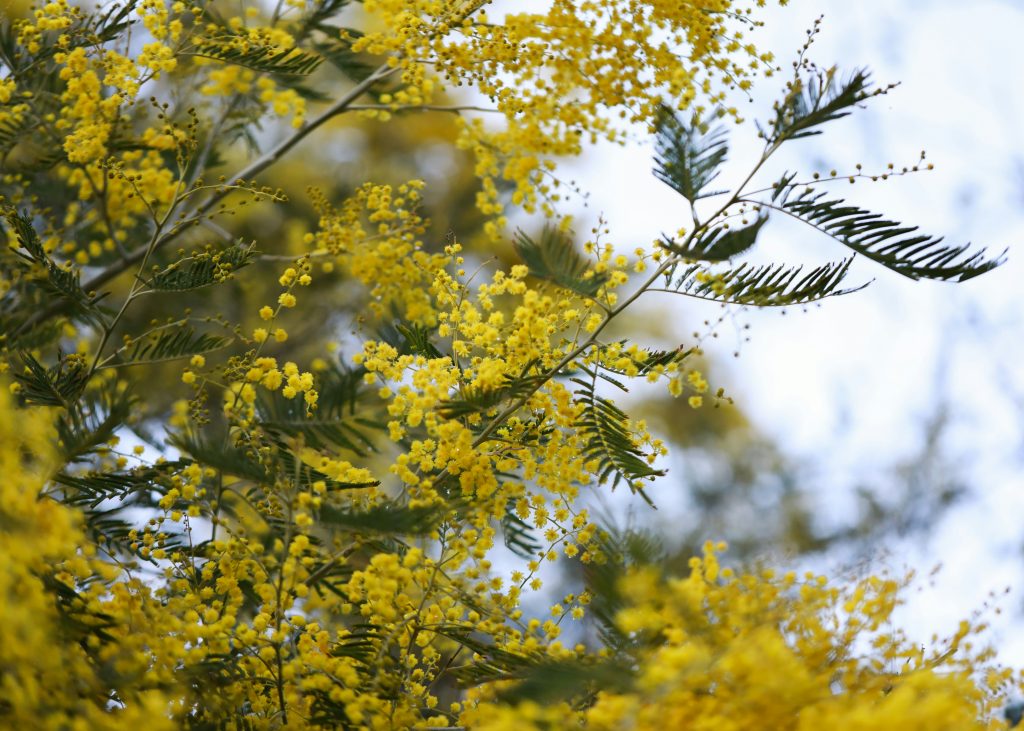
Acacias are prevalent in Kenya’s savannahs and play a vital role in the ecosystem. Their foliage provides food for herbivores, while their thorns protect them from browsing animals. The gum from acacia trees is used to produce gum arabic, a substance essential for various industries.
A wildlife guide recounted, “In the dry season, the acacia trees become a lifeline for animals. They gather around these trees, relying on their leaves to survive.” This highlights the interconnectedness of plant and animal life.
Cedar Trees
Cedar trees are found in the highland forests of Kenya, particularly in places like the Aberdare Range. These trees are valued for their high-quality timber and have significant cultural importance among local communities.
A local elder shared, “Cedar wood is sacred to us. It’s used in our rituals and ceremonies, connecting us to our ancestors.” This reflects the cultural heritage tied to the flora of Kenya.

Shrubs and Bushes
The Aloe Vera
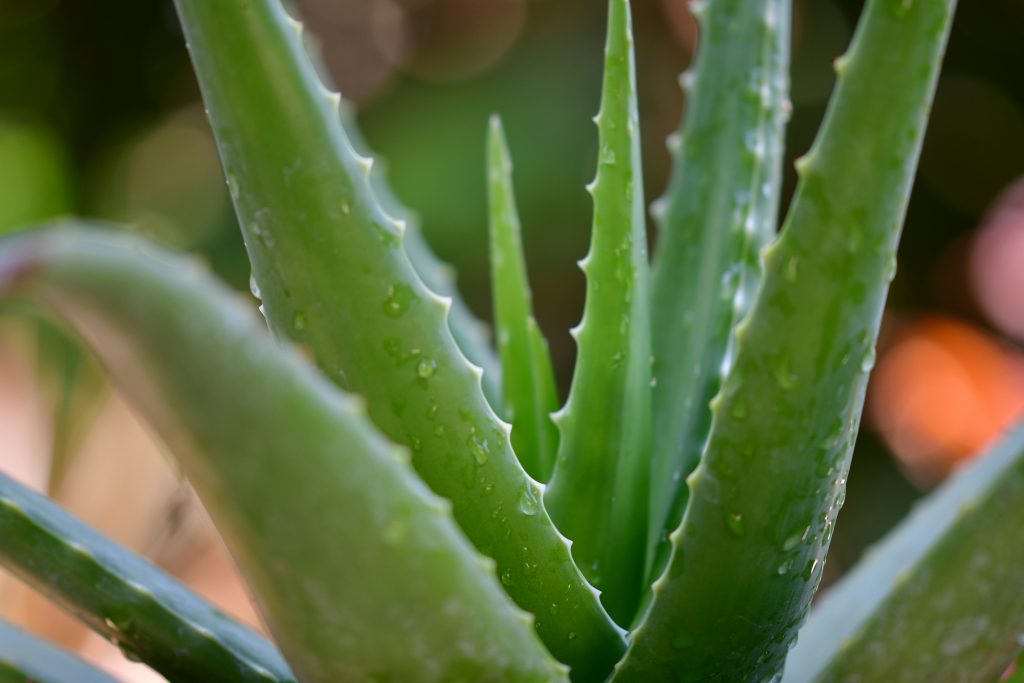
Aloe vera is a well-known plant with remarkable medicinal properties. In Kenya, it is used for treating burns, wounds, and skin conditions. This hardy succulent thrives in arid regions, showcasing its adaptability.
A local healer explained, “Aloe vera is like a friend. When you’re in pain, it soothes you. Nature provides us with what we need.” This emphasizes the importance of plants in traditional healing practices.
The Flame Tree
The flame tree, known for its vibrant red flowers, is a striking sight in many urban areas. Its blossoms attract birds and insects, contributing to local biodiversity.
A resident of Nairobi shared, “When the flame trees bloom, it feels like the city is on fire with color. It brings joy to our hearts.” This illustrates the aesthetic and emotional value of plants in urban settings.

Grasses and Ground Cover
Elephant Grass
Elephant grass is a tall, robust grass that thrives in Kenya’s grasslands. It serves as vital fodder for herbivores and helps prevent soil erosion.
A local rangeland manager stated, “Without grasses like elephant grass, our livestock would struggle. They are essential for our livelihoods.” This highlights the role of plants in supporting agriculture and food security.

Kikuyu Grass
Kikuyu grass is widely used for pasture and lawn in Kenya. Its fast growth and resilience make it a preferred choice for farmers and homeowners alike.
A farmer remarked, “Kikuyu grass is a blessing. It grows quickly and keeps the soil healthy, ensuring our animals have enough to eat.” This showcases the practical benefits of local plant varieties.

Endemic and Threatened Plants
Endemic Species
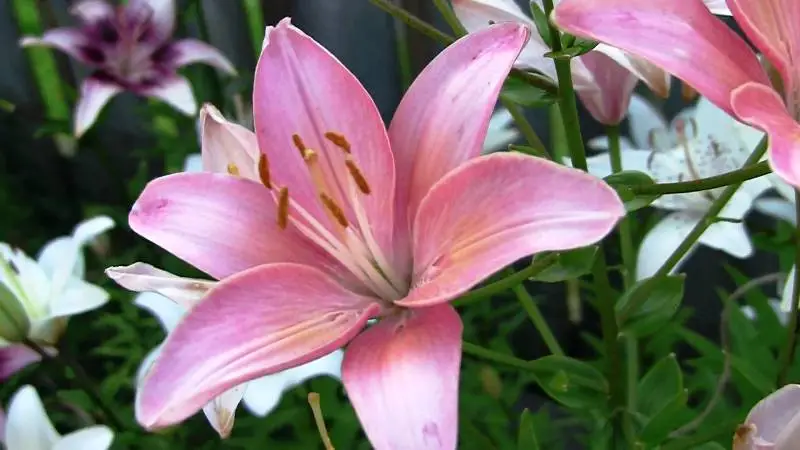
Kenya is home to numerous endemic plant species—plants that are not found anywhere else in the world. The Kenya lily (Crinum somalense) is a stunning example, known for its large, fragrant flowers. Found in wetland areas, it plays a significant role in local ecosystems.
A conservationist shared, “Endemic plants like the Kenya lily remind us of our unique biodiversity. Protecting them is crucial for preserving our natural heritage.” This speaks to the importance of conservation efforts.
Threatened Species
Unfortunately, many plant species in Kenya face threats from habitat loss, climate change, and invasive species. The East African sandalwood is one such example, prized for its fragrant heartwood but threatened by overharvesting and deforestation.
A local environmentalist stated, “Every time we lose a plant species, we lose a part of who we are. It’s our duty to protect them.” This reflects the urgency of conservation efforts.
The Role of Plants in Kenyan Culture
Traditional Uses
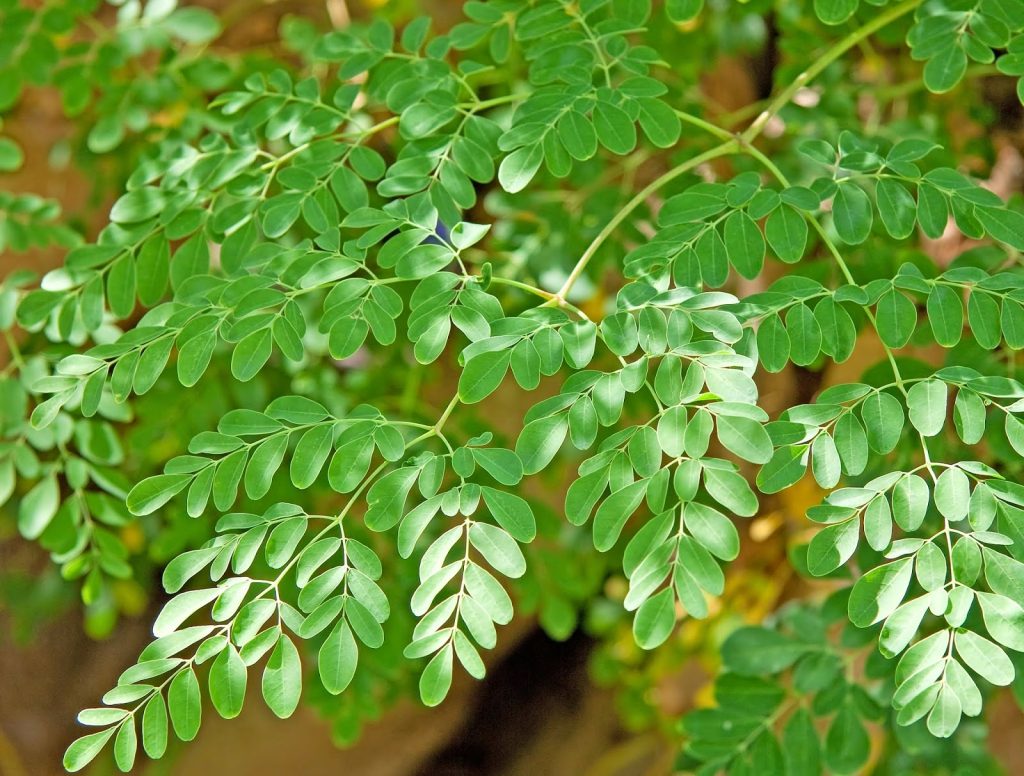
Plants have long been integral to the lives of Kenyan communities. Many indigenous plants are used for food, medicine, and construction. The Moringa tree, for example, is known as a “superfood” and is used in traditional dishes for its nutritional benefits.
A local chef shared, “Moringa leaves add flavor and nutrition to our meals. It’s a gift from nature.” This highlights the culinary significance of native plants.
Spiritual Significance
Plants also hold spiritual significance in many Kenyan cultures. Certain trees, such as the fig tree, are considered sacred and are often associated with rituals and ceremonies.
A community elder expressed, “Under the fig tree, we gather to share stories and celebrate our culture. It connects us to our ancestors.” This illustrates the deep-rooted cultural ties between people and plants.

Conservation Efforts
Community-Based Conservation
Community involvement is crucial for the conservation of Kenya’s flora. Programs that educate and engage local communities in conservation efforts have proven effective in preserving plant species.
A local leader stated, “When we involve our people, we create a sense of ownership. Protecting our plants is protecting our heritage.” This aligns with the saying, “It takes a village to raise a child.”
National Parks and Reserves
Kenya’s national parks and reserves play a vital role in protecting plant diversity. Areas like Maasai Mara and Tsavo preserve unique ecosystems where countless plant species thrive alongside wildlife.
A park ranger shared, “In the parks, plants and animals coexist harmoniously. It’s a reminder of how nature should be.” This highlights the importance of protected areas for biodiversity conservation.
Reforestation Initiatives
Reforestation initiatives are crucial for restoring degraded areas and preserving native plant species. Organizations like the Green Belt Movement have spearheaded efforts to plant millions of trees across Kenya.
A volunteer expressed, “Every tree we plant is a step towards healing our land. It’s about creating a better future.” This reflects the proverb, “The best time to plant a tree was twenty years ago. The second best time is now.”
The Impact of Climate Change
Threats to Plant Diversity
Climate change poses significant threats to plant diversity in Kenya. Altered rainfall patterns and rising temperatures can affect plant growth and distribution, leading to habitat loss.
A climate scientist explained, “If we don’t act now, many plant species may disappear. We must adapt our conservation strategies to address these challenges.” This connects with the saying, “Adapt or perish.”
Sustainable Practices
Implementing sustainable agricultural practices can help mitigate the impact of climate change on plant life. Techniques such as agroforestry and organic farming promote biodiversity and soil health.
A farmer shared, “By planting trees alongside our crops, we’re not only improving our yields but also protecting the environment. It’s a win-win situation.” This illustrates the benefits of sustainable practices.
The Future of Kenya’s Flora
Education and Awareness
Raising awareness about the importance of plants and their conservation is essential for future generations. Educational programs that highlight the ecological and cultural significance of flora can inspire action.
A school teacher stated, “When children learn about plants, they develop respect for nature. They become the guardians of our environment.” This emphasizes the role of education in fostering a conservation mindset.
Policy and Legislation
Stronger policies and legislation are needed to protect Kenya’s plant diversity. Collaboration between government agencies, NGOs, and local communities can lead to effective conservation measures.
A conservation advocate shared, “We must advocate for policies that prioritize plant conservation. Every action counts in the fight for our environment.” This reflects the saying, “What you do makes a difference, and you have to decide what kind of difference you want to make.”
Conclusion
The plants of Kenya are a rich tapestry woven into the fabric of the nation’s identity. From the majestic baobab and resilient acacia to the sacred fig tree, each species plays a vital role in the ecosystem and cultural heritage.
As we confront challenges such as habitat loss, climate change, and invasive species, we must remember the importance of collective action. Engaging local communities, promoting sustainable practices, and advocating for stronger protections are crucial for ensuring a sustainable future for Kenya’s flora.
As the local saying goes, “Together we can achieve more.” By working hand in hand, we can protect the incredible biodiversity that makes Kenya a truly unique and magical place. Let us embrace our role as custodians of the earth, ensuring that future generations can experience the beauty and wonder of Kenya’s plants.